
Evelyn And Frances After The False Alert
The CallerThis flow follows the fear and changed routines that persist after a false hospital message convinces Evelyn Mold that her daughter has been seriously injured.
increasing Bearing strength in each event
 decreasing
Bearing strength in each eventdecreasingA Published Profile
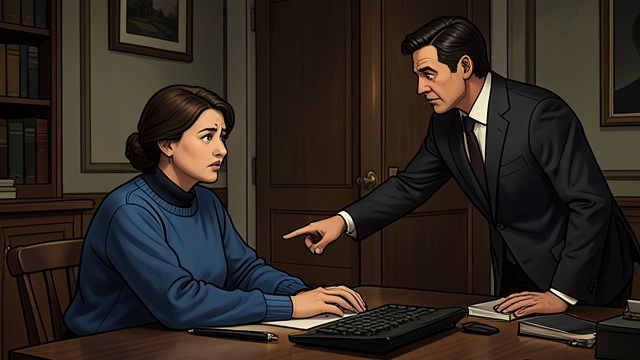
A Published Profile
A new scooter in the newspaper
Frances Mold answers questions for a local road-safety article after receiving a scooter. The profile gives her name and details about her new vehicle.
Public details become a lead
Johnny later uses newspaper material to identify a household and observe Frances’s movements. The article unintentionally supplies the information needed to make a convincing false emergency.
The episode shows how harmless local publicity can be repurposed by someone intent on manipulating a family’s trust and fear.
A Call About An Accident

A Call About An Accident
A mother is summoned
While Frances is out, Evelyn receives a call claiming that her daughter has been in a serious traffic accident and that she must come to the hospital. She drives there quickly, believing that urgent help is needed.
The hospital knows nothing
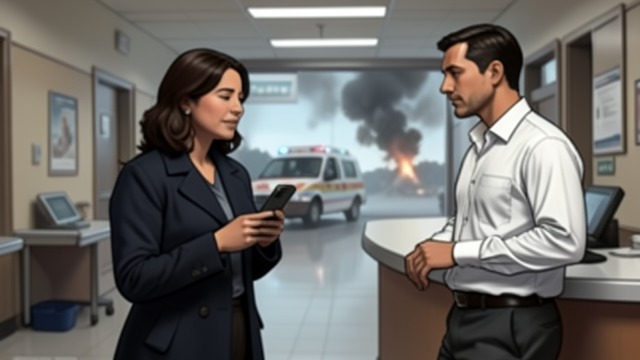
At the information desk, Evelyn repeats her daughter’s name and expects staff to guide her to the emergency. The receptionist discovers that neither the hospital nor the other hospital has received Frances as a patient.
The false emergency exploits a mother’s immediate willingness to act. Evelyn’s fear is not a misunderstanding she could have calmly checked before leaving; the message is designed to make delay feel dangerous.
The Call That Clears The Fear
The Call That Clears The Fear
A difficult suggestion
After confirming that Frances is not a patient, the receptionist suggests that Evelyn call her daughter directly. The suggestion exposes the possibility that the hospital message was a hoax.
A living daughter answers
Evelyn reaches Frances and learns that she is safe. The relief arrives only after Evelyn has imagined severe injury, surgery, and the possibility of losing her daughter.
The call resolves the factual emergency but leaves the emotional experience intact. For Evelyn, knowing Frances is alive does not mean that her fear can be instantly switched off.
A Quiet Sofa
A Quiet Sofa
An altered return home
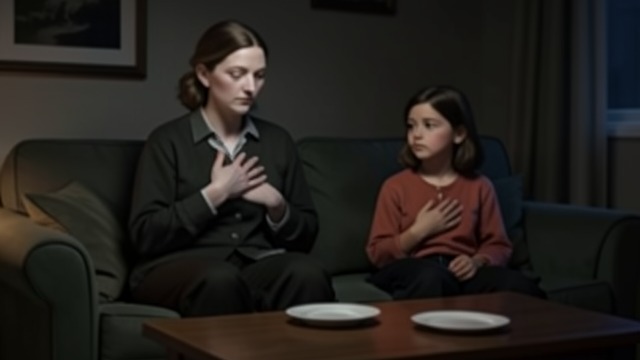
Evelyn and Frances reach home around the same time and struggle to resume familiar conversation. Evelyn’s composure collapses, and she leans on a table, gasping for breath.
An ordinary meal is not enough
She attempts to talk about dinner, while Frances asks her to sit on the sofa and do nothing. The household’s normal routine feels awkward after a fear that seemed to make every possibility real.
Their closeness remains, but the incident has changed the way Evelyn experiences Frances’s independence. A scooter that once represented growing up now represents the danger she cannot control.
Freedom Reconsidered
Freedom Reconsidered
A parent seeks safety
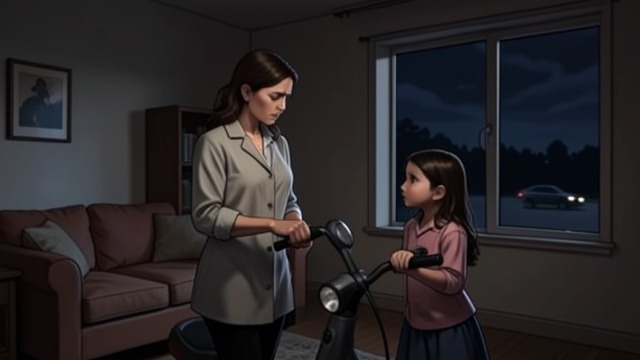
Evelyn wonders whether Frances should sell the scooter and wait to drive a car. Frances asks if that is what her mother wants after the terror of the false call.
A changed relationship to risk
Sejer explains how the perpetrator may have selected Frances from the newspaper and watched the household. The possibility of surveillance makes Evelyn’s fear feel less irrational, but it cannot make future travel entirely safe.
The mother and daughter must negotiate freedom after a stranger has manipulated their attachment. The aftermath is a changed perception of risk, not an easy return to the past.
two weeks before the false call
the day Frances rides her scooter
during Evelyn’s wait at the hospital desk
the evening after the false alert
during Sejer’s follow-up visit
